
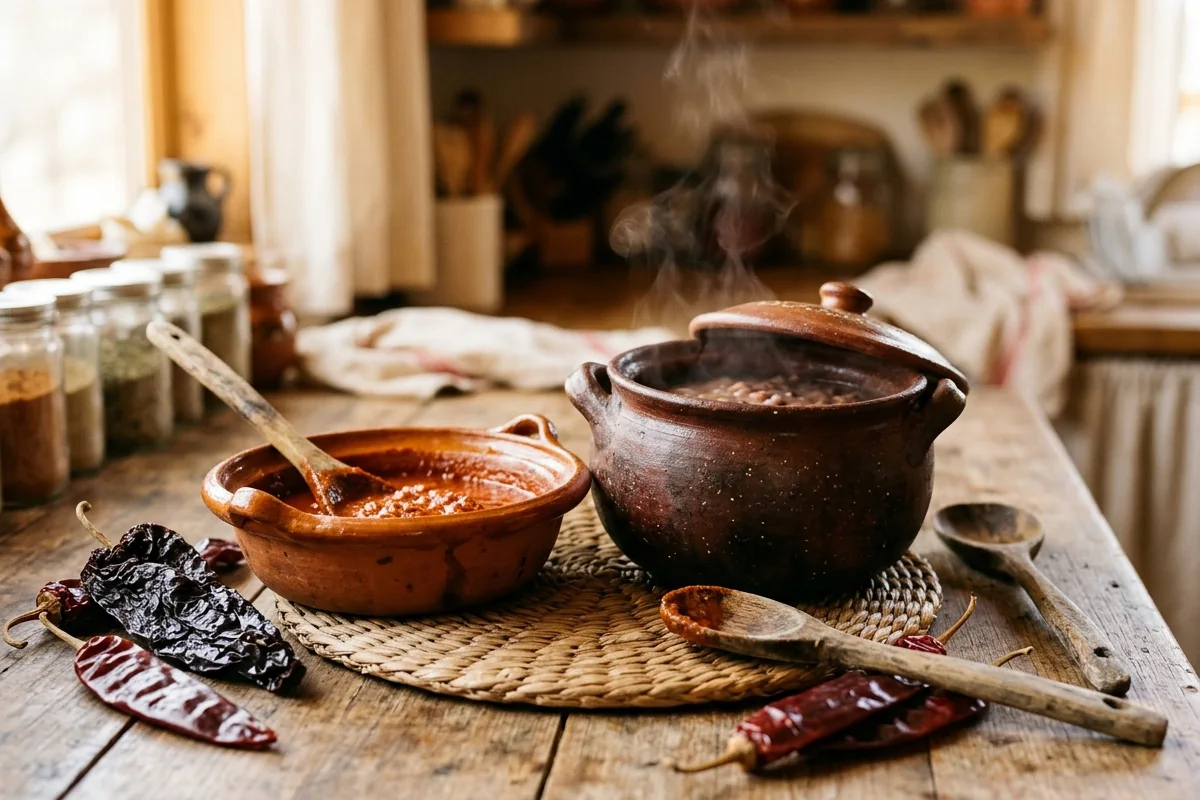
Quick Answer: Modern Mexican pottery exported by reputable brands uses unleaded boron-silica glazes fired above 1,850°F and is completely safe for cooking and dining. However, unmarked flea-market, roadside souvenir, or antique village earthenware may carry traditional low-fire lead oxide glaze (greta), which leaches into acidic foods like salsa, lime, coffee, and beans. To test an unknown piece at home, soak its interior in distilled white vinegar for 4 hours or rub a sodium rhodizonate / Fluorospec lead swab across the food-contact glaze—and retire any positive piece strictly to dry decorative display.
| Editor’s Pick | Why We Recommend It | Availability |
|---|---|---|
| #1 Verified CookwareHandmade Lead-Free Olla de Barro Bean Pot | Lead-Free Interior Glaze · Stovetop Safe | Check Amazon ↗ |
| #1 Verified DinnerwareHand-Painted Talavera Dinner Plate Set | Certified Lead-Free Majolica Glaze | Check Amazon ↗ |
| #1 Verified Tortilla WarmerBico Blue Talavera Ceramic Warmer | Lead & Cadmium Free High-Fire Ceramic | Check Amazon ↗ |
Why Lead Historically Appeared in Traditional Village Glazes
For centuries after colonial guilds introduced glazed earthenware to central Mexico, rural family workshops relied on small open-top wood kilns that struggled to exceed 1,450°F (790°C). Pure silica sand will not melt into a waterproof glass sheet at temperatures that low—so potters added powdered lead oxide flux (locally called greta or litargirio) to melt the glaze into a warm amber-orange gloss over terracotta.
When lead-fluxed glaze is under-fired, the lead ions never lock permanently into a silicate matrix. Every time hot frijoles, lime-heavy salsa, hibiscus tea, or spiced café de olla touches that surface, weak dietary acids pull microscopic lead into the meal—with zero change in taste or smell. Today, FONART initiatives and commercial export workshops have widely transitioned to lead-free boron and fritted silica glazes, yet knowing how to verify unknown pieces remains essential.
Step-by-Step: How to Test Any Mexican Pot or Mug at Home
- Wash & Dry First: Wash the clean interior surface with warm water and mild dish soap, then dry with a paper towel so surface dust doesn’t skew the reagent.
- Activate EPA/Consumer Lead Swabs Properly: Use a trusted sodium rhodizonate swab (where the tip turns pink/red on contact with leachable lead) or a UV-reactive Fluorospec kit (which glows bright green under the included UV flashlight when touching lead atoms). Rub firmly for 30 seconds across the interior bottom and over any painted floral pigments inside the bowl.
- Run the 4-Hour White Vinegar Leach Check (Optional Deep Test): Pour 5% distilled white household vinegar halfway up the bowl or mug and let it sit for 4 hours (simulating acidic salsa). Test a drop of the vinegar on your test card or test the freshly rinsed glaze line.
- Check for Chalky Vinegar Etching: Even without a chemical swab, if 4 hours of plain white vinegar turns a glossy amber glaze dull, matte gray, or rough below the liquid line, the glaze is poorly vitrified low-fire ware and should never touch food or beverages.
Quick Visual Risk Matrix by Pottery Type
| Pottery Category | Typical Firing & Surface | Food-Contact Recommendation |
|---|---|---|
| Certified Export Talavera & Stoneware | High-fire (>1,850°F), smooth glassy lead-free glaze | Safe for daily meals, salsas, coffee, and serving |
| Modern Lead-Free Ollas de Barro | Unleaded boron glaze labeled food-safe | Safe for stovetop simmering once water-cured |
| Unmarked Shiny Orange/Yellow Roadside Clay | Often low-fire wood kiln glaze; check carefully | Test before use; display only if unmarked or positive |
| Oaxacan Barro Negro (Carved / Burnished) | Low-fire smoke reduction, unglazed microporous clay | Decorative dry display only (except high-fire glazed copitas) |
What to Do If a Beloved Vintage Piece Tests Positive
Never throw away a hand-painted heirloom! Lead inside ceramic glaze poses zero inhalation hazard sitting on a shelf or hanging on a wall. Simply apply a small label underneath reading “Decorative Use Only — Not for Food” and repurpose positive bowls for holding keys, dried potpourri, wrapped candies, or potted succulents, while upgrading your daily dining pieces from our verified lead-free Talavera dinnerware guide.
Frequently Asked Questions
Does boiling water or curing an olla remove lead from leaded glaze?
No—that is a dangerous myth. Curing with water and garlic seals clay pores against cracking, but it never removes lead from a lead-fluxed glaze; in fact, repeated heat wear can accelerate leaching.
Is raw unglazed Mexican clay always lead-free?
Natural raw terracotta clay bodies rarely contain added lead, though you should still verify that no clear shiny glaze wash was brushed inside the rim or basin unless labeled lead-free.
Are decorative 4×4 Talavera wall tiles safe to use as cheese plates?
Wall and craft mosaic tiles are formulated for vertical architectural durability rather than FDA food-acid leaching standards—keep food on dedicated lead-free dinnerware platters instead.
Ready to Compare the Best Handcrafted Options?
Explore our side-by-side glaze, size, and safety breakdown in our flagship buyer’s guide: